
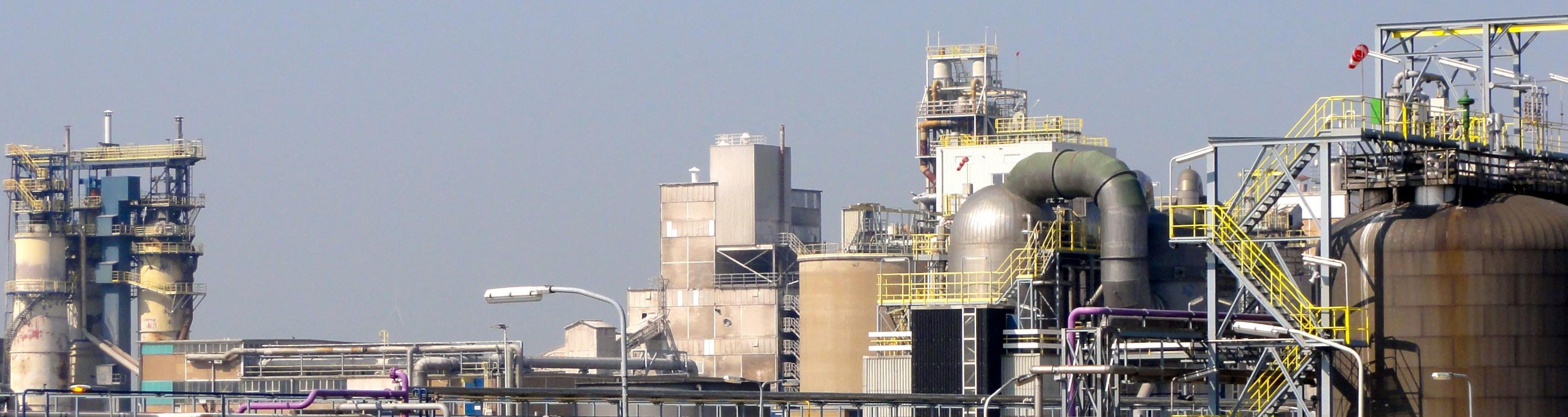
November 14, 2025 — Crude oil prices spiked sharply on Thursday after Ukraine launched a fresh wave of attacks on Russia, targeting the key Black Sea port of Novorossiysk—a critical hub for Russian oil exports. The assault, which included drone strikes and cruise missiles according to CNN, caused explosions and fires at the Sechshaarsk oil export terminal, located near the port. The terminal is a major terminal for Russian oil shipments and serves as the endpoint for pipelines operated by Transneft, Russia’s state-owned oil pipeline monopoly.
The attack damaged coastal infrastructure and raised immediate concerns over the stability of Russia’s oil export operations. In response, oil prices surged during intraday trading:
The WTI spot contract rose by $1.44 to $60.13 per barrel, an increase of 2.45%.
Brent spot contracts rose $1.37 to $64.38 per barrel, an increase of 2.17%.
Why This Attack Matters: Novorossiysk Is a Vital Oil Artery
The significance of the strike lies in Novorossiysk’s role as a linchpin of Russia’s southern oil export infrastructure. The port handles a substantial portion of the country’s crude oil and refined product exports, particularly those transported via pipeline from the interior.
According to prior plans reported by CNN, Russia had intended to ramp up exports from Novorossiysk in November. Specifically, Lukoil, one of Russia’s largest oil producers, had announced it would halt shipments to the Port of Baku and reroute cargoes to the Port of Makhachkala. From there, the oil would be transported via pipeline to Novorossiysk and then shipped out by tanker—a critical logistical pathway for maintaining export volumes.
Recent Attacks Add Pressure on Russia’s Energy Infrastructure
This latest strike comes just days after another Ukrainian attack on the Port of Tuapse, another major oil terminal on Russia’s Black Sea coast. That assault led Russian rail operators to suspend train services to Tuapse due to overwhelming freight backlogs and insufficient transport capacity. According to CNN, Tuapse remains closed as of now, awaiting repairs.
Within the span of just one week, two of Russia’s top oil-exporting seaports—Novorossiysk and Tuapse—have been targeted, dealing a heavy blow to the country’s ability to maintain stable energy exports amid ongoing conflict.
Geopolitical Tensions and Sanctions Keep Oil Markets on Edge
The attacks add another layer of complexity to already strained Russia-Ukraine geopolitical dynamics, and they come against the backdrop of tightened U.S. sanctions on Russian energy exports.
Analysts warn that continued disruptions at major export hubs like Novorossiysk could further tighten global crude supply, especially as Europe and other regions remain cautious about energy security heading into the winter months.
Market observers expect that the uncertainty surrounding Russian oil exports, combined with the escalating conflict, will continue to lend upward pressure to global oil prices in the near term.
As of now, traders are closely monitoring both the extent of damage to Novorossiysk’s infrastructure and any potential retaliatory measures or supply route adjustments by Moscow—all of which could have significant implications for the global energy market.
.png "logo7(1).png")
Industries
Plastics
Rubbers
Cement
Mortar
Gypsum
Adhesive & Sealant
Detergent & cleaning
Roofing
Surface Coating
Corrosion Protection
Food Ingredients
More
Contact Us
North America BU: ChemEle International LLC
Business EIN / SSN: 934429480
Add: Herndon, Virginia 20171 U.S.
Tel: +1 (571) 306 8342
Email: info@chem-ele.com
Asia & Pacific BU:
Add: Room 1005-1008, No.188 Changyi Road,
Baoshan District, Shanghai, CHINA
Tel: +86 21 6217 6993 ext. 407 Ph: +86 13122789698
Email: info@chem-ele.com
www.chem-ele.com


Copyright 2024 Chemele International, LLC. All Rights Reserved.